By Shiori Murayama
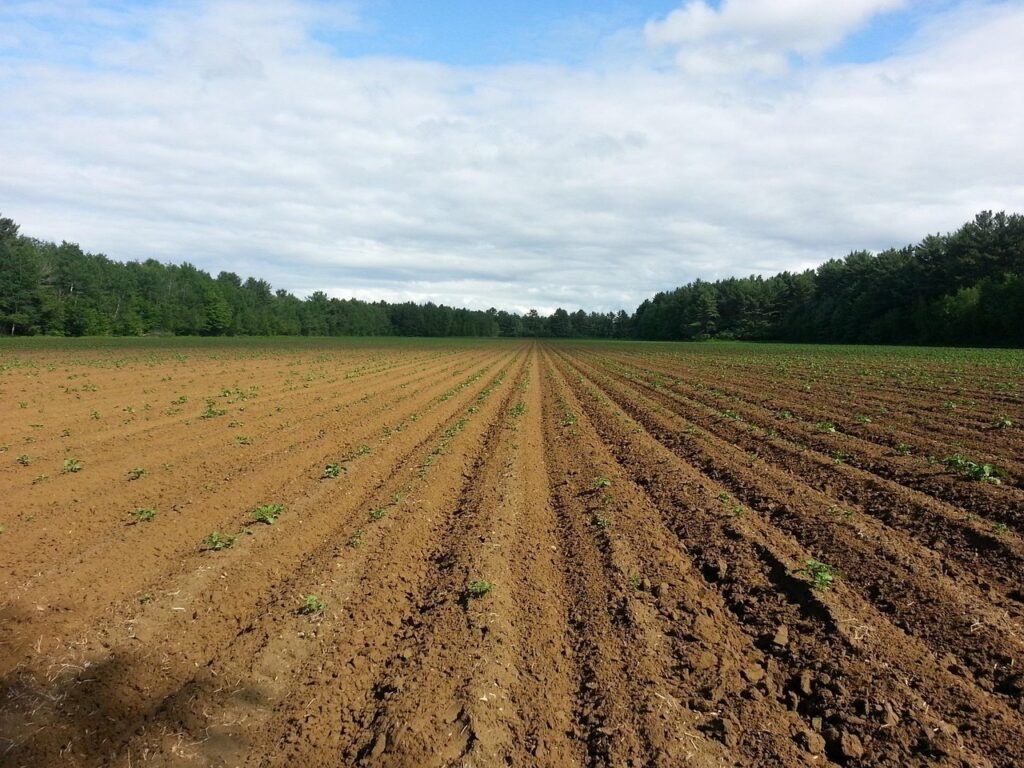
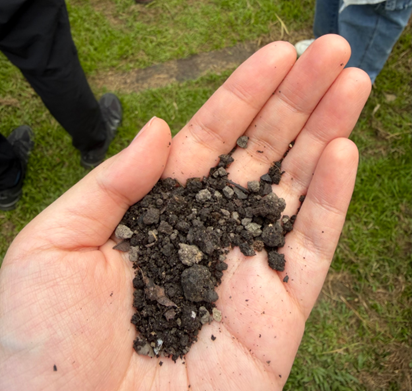
A recent visit to a farm in Janda Baik offered an unexpected reflection on life. The farm owner explained that sustainable and successful farming begins with understanding the soil. In Malaysia, much of the land is clay-heavy, making it difficult to grow nutritious crops unless the soil is carefully nurtured. If the foundation is weak, the harvest will be too.
To restore the soil, the farm produces nearly three tonnes of compost monthly, using organic waste such as coffee grounds. Through a partnership with Nestlé Malaysia, recycled coffee powder helps enrich the land. Farming, he explained, is not simply about planting seeds but about nurturing the conditions that allow growth.
Listening to this, the teachings of Jesus Christ in the Gospel of Matthew 13 came to mind; the Parable of the Sower and the Parable of the Wheat and the Weeds. Both parables reveal something deeply true about life: growth happens in mixed soil.
From both the farm and these parables, three lessons stand out.
1. Not every seed will take root
In the Parable of the Sower, seeds fall on different soils and produce different outcomes.
Jesus explains:
“But he who received seed on the good ground is he who hears the word and understands it, who indeed bears fruit and produces: some a hundredfold, some sixty, some thirty.” – Matthew 13:23 (NKJV)
The Greek word used for “understands” is syníēmi, which means to truly comprehend, connect the meaning, and internalise it. It suggests more than simply hearing something; it means allowing it to take root within.
At the farm, the owner spoke about nurturing people the same way crops are nurtured. Investing in talent and upskilling them so they can flourish. In farming, as in life, growth depends not only on the seed but on the condition of the soil.
The lesson is simple: Our responsibility is not to control every outcome, but to sow faithfully and nurture what can grow.
2. Patience maintains balance
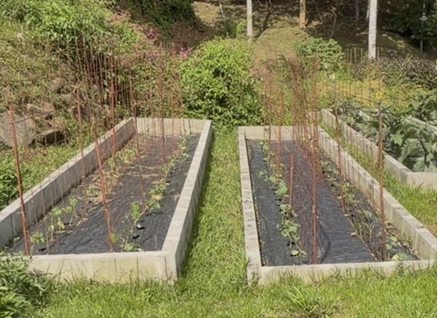
The farm manages pests without eliminating them completely. Reflective silver plates are placed on the ground to discourage pests from laying eggs on the bottom of leaves. The goal is balance, as removing them entirely would disturb the ecosystem.
This reflects the wisdom in the Parable of the Wheat and the Weeds, where the farmer says:
“Let both grow together until the harvest…” – Matthew 13:30 (NKJV)
The Greek word for “harvest” here is therismós, referring to the appointed time of gathering when what has grown is finally revealed.
Early in their growth, wheat and weeds look nearly identical. Only time makes the difference visible.
In life, the same principle applies. Not every situation requires immediate reaction. The parable calls for us to trust in His timing in separating good and evil during final judgment. Until then, let us be reminded to live holy lives in preparation for the Great Harvest.
3. God’s word is the foundation of our lives
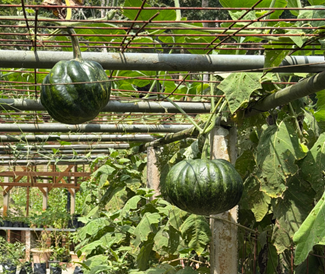
The farm owner explained that success in agriculture comes from understanding systems like crop rotation. This approach enables crops to extract different nutrients, helps them to diversify while specialising in a niche, and leverages technology such as predictive harvesting to run a lean operation to anticipate what restaurants will need.
Yet even with strategy and technology, farming remains uncertain. Weather, soil health, and disease can change everything. Agriculture carries immense pressure precisely because so much is beyond human control.
Without the right foundation, even the best seeds will struggle. Scripture reminds us where our true foundation lies.
“But his delight is in the law of the Lord, and in his law he meditates day and night. He shall be like a tree, planted by the rivers of water, that brings forth its fruit in its season, whose leaf also shall not wither; and whatever he does shall prosper. The ungodly are not so, but are like the chaff which the wind drives away” – Psalms 1:2-4 (NKJV)
The Hebrew word, shathal, meaning “to transplant”, is to intentionally plant a tree in a chosen location.
Just as healthy soil determines the strength of a crop, a life rooted in God’s word creates an unwavering foundation for how we navigate life even when circumstances change.
In life, as in farming, the focus is not on controlling every outcome, as not every seed will take root, but on preparing our lives for the Great Harvest and continuing to sow faithfully with God’s word as the foundation of our lives.